
Sleep Apnea
This is more than just snoring!

What is Sleep Apnea?
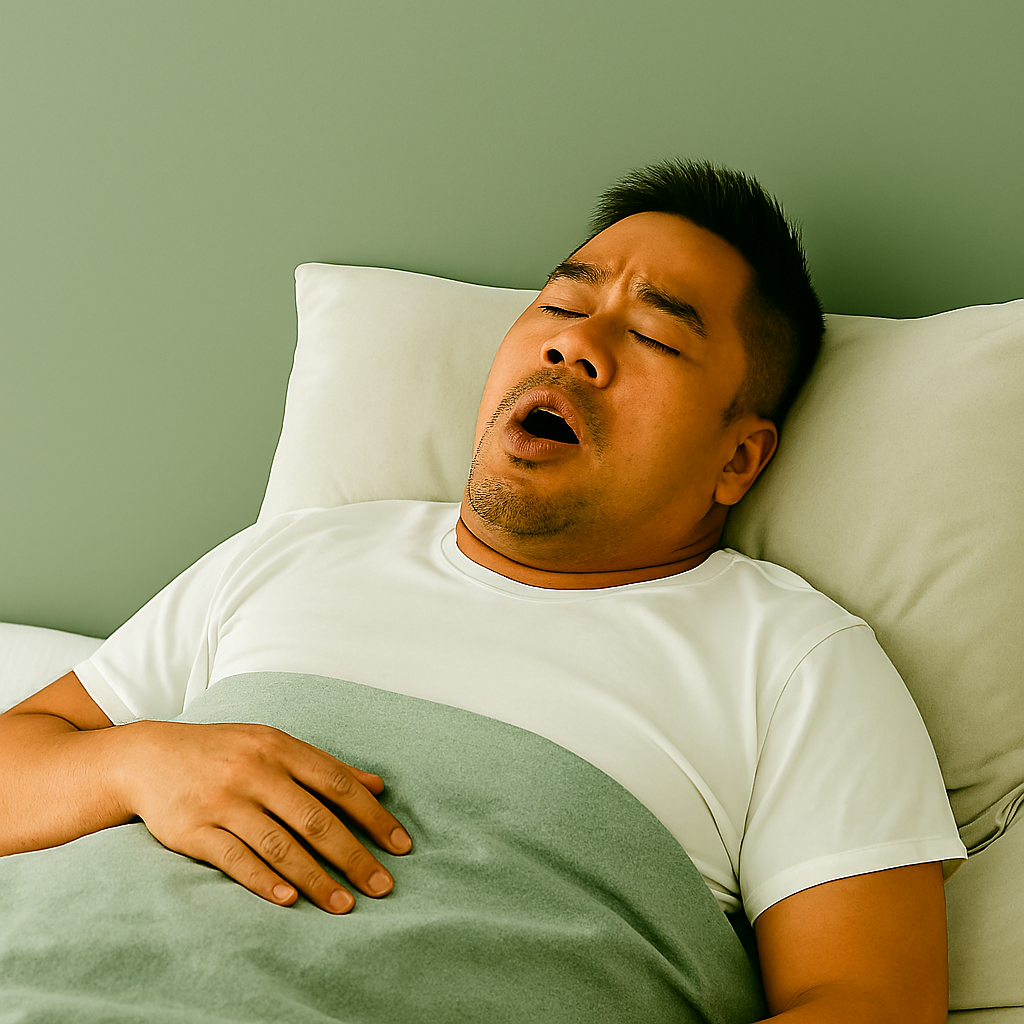
Sleep apnea is a sleep disorder where breathing repeatedly stops and starts during sleep, often without the person being aware. These pauses in breathing can last from a few seconds to over a minute and may occur dozens or even hundreds of times per night. Each interruption briefly wakes the brain, preventing deep, restorative sleep and leading to daytime fatigue and other health risks.
Types of Sleep Apnea
There are three main types:
- Obstructive Sleep Apnea (OSA): The most common form, caused by a physical blockage of the airway, usually when throat muscles relax.
- Central Sleep Apnea (CSA): Less common, caused by the brain failing to send proper signals to the muscles that control breathing.
- Complex Sleep Apnea Syndrome (CompSA): A combination of OSA and CSA, often emerging during treatment for OSA
Common Symptoms
- Loud, chronic snoring
- Gasping or choking during sleep
- Pauses in breathing (often noticed by a partner)
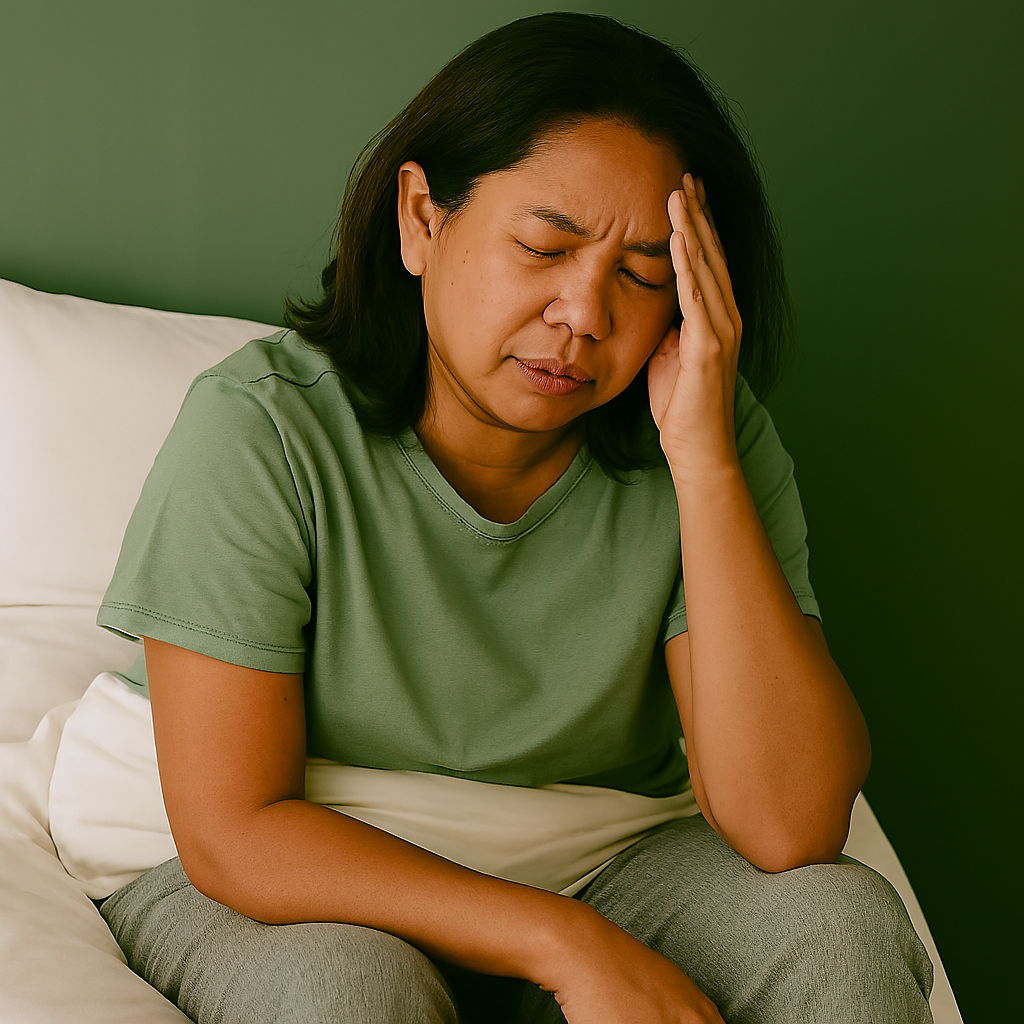
- Morning headaches
- Dry mouth upon waking
- Excessive daytime sleepiness or fatigue
- Difficulty concentrating
- Mood changes, such as irritability or depression
- Insomnia or restless sleep
In children, symptoms may include bedwetting, hyperactivity, or poor school performance
Causes & Risk Factors
Obstructive Sleep Apnea is typically caused by:
- Relaxation of throat muscles during sleep
- Enlarged tonsils or adenoids
- Obesity or excess tissue around the neck
- Structural abnormalities (e.g., deviated septum)
Central Sleep Apnea is linked to:
- Neurological conditions
- Heart failure
- Use of certain medications (e.g., opioids)
Risk factors include:
- Age (more common in older adults)
- Male gender
- Family history
- Smoking and alcohol use
- Sleeping on your back
- Medical conditions like high blood pressure, diabetes, or stroke
If you or someone close to you struggles with these sensations, professional evaluation can open the door to effective, lasting relief.