
Restless Leg Syndrome
Running out of sleep: the tug-of-war between rest and motion

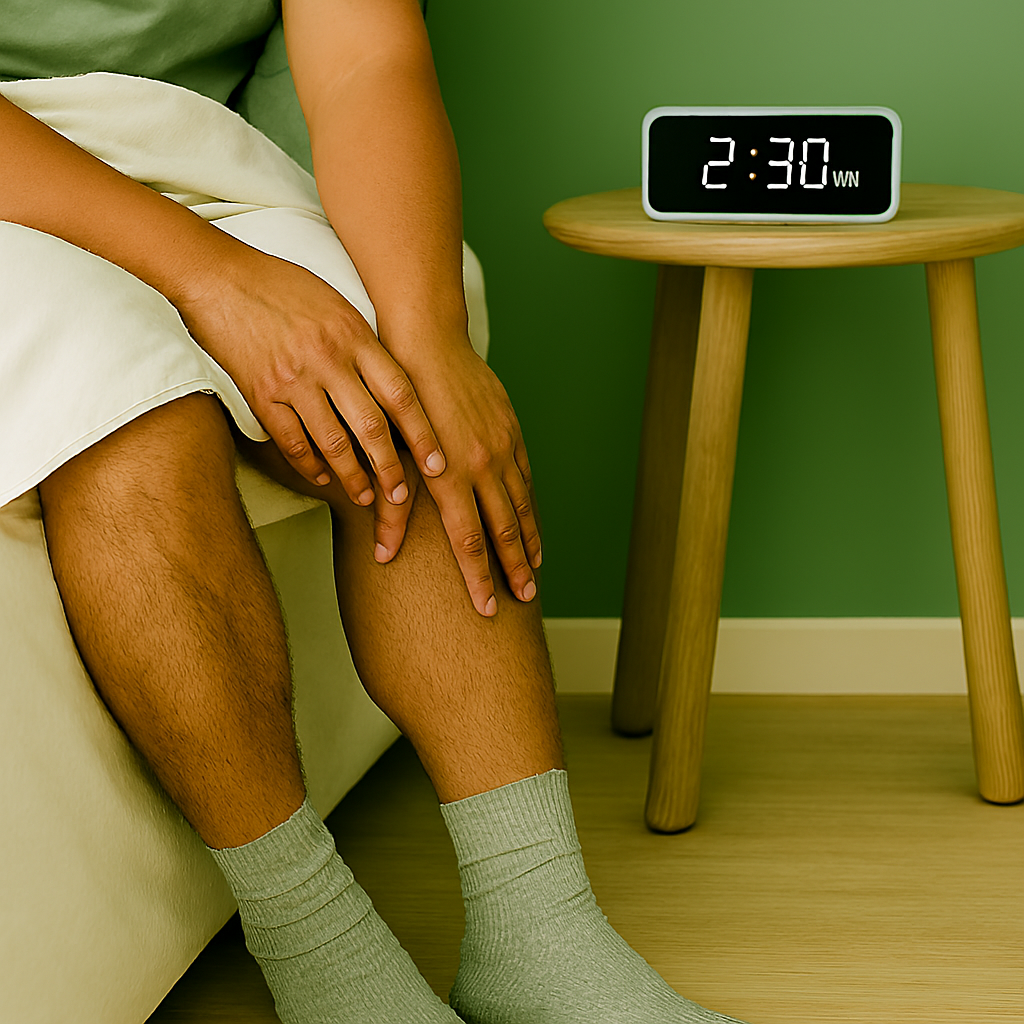
What is Restless Leg Syndrome?
Restless Leg Syndrome (RLS) is a neurological disorder characterized by an uncontrollable urge to move the legs, often accompanied by uncomfortable sensations like crawling, tingling, aching, or pulling. These symptoms typically occur during periods of rest—especially in the evening or at night—and are temporarily relieved by movement

Symptoms
- Strong urge to move the legs, especially when sitting or lying down
- Unpleasant sensations in the legs (itching, throbbing, creeping, burning, or electric-like feelings)
- Worsening of symptoms in the evening or night
- Temporary relief with movement (e.g., walking, stretching, jiggling the legs)
- Difficulty falling or staying asleep
- Daytime fatigue, sleepiness, or mood disturbances due to poor sleep
- Periodic limb movements during sleep (PLMS)—involuntary leg twitching or jerking that can disrupt sleep
Causes and Risk Factors
RLS can be primary (idiopathic) or secondary to other conditions. Common causes and risk factors include:
- Genetics: Often runs in families, especially with early onset
- Dopamine imbalance: Affects brain pathways that control movement
- Iron deficiency: Low iron levels in the brain may trigger symptoms
- Pregnancy: Especially during the third trimester
- Chronic conditions: Kidney disease, diabetes, Parkinson’s disease, or peripheral neuropathy
- Medications: Certain antidepressants, antihistamines, or antipsychotics
- Lifestyle factors: Caffeine, alcohol, nicotine, and lack of physical activity
RLS isn’t just a nighttime nuisance—it can significantly impact quality of life, leading to chronic sleep deprivation, emotional distress, and impaired daytime functioning. Early recognition and tailored treatment can dramatically improve sleep and restore daily well-being.